The Buyer Walking Up Your Path: What New Windows and Doors Really Add at Resale
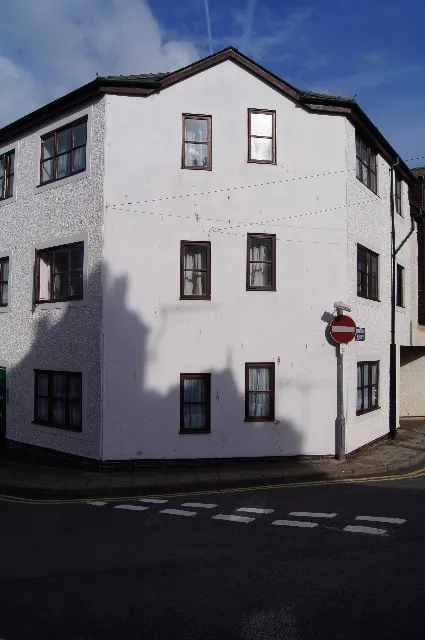
Photo: Mr Ignavy , CC BY-SA 2.0, via Wikimedia Commons
Replacement windows are one of those home improvements that feel like they ought to pay for themselves. They make the place warmer, quieter and smarter. Surely a buyer will thank you for it with a bigger offer? Sometimes they will. Sometimes they’ll barely glance at the frames and spend the viewing worrying about the boiler instead.
That’s the awkward truth about resale value. New windows and doors can help your home sell, and they can support the asking price in the right circumstances. But there’s no neat formula that turns £12,000 of glazing into £12,000 on the sale price. The return depends on the house, the street, the buyer and — crucially — whether the work looks like an upgrade rather than a box-ticking exercise.
What buyers notice in the first ten seconds
Most buyers form an opinion before they’ve stepped inside. Kerb appeal is doing a lot of heavy lifting here. Clean, modern frames, a front door that closes properly and windows that don’t look tired can make a house feel cared for. That matters. A property that looks well maintained invites people to imagine living there.
But “modern” means different things on different streets. Sleek anthracite frames can look brilliant on a 1930s semi that’s been opened up inside. The same windows on a stone cottage in a conservation area might look as though someone has bolted a smartphone to a listed building. Buyers pick up on that mismatch even if they can’t explain it. Estate agents certainly do.
So the first rule of adding value is boring but reliable: match the house, not the showroom. A well-chosen window that suits the property will always beat a fashionable one that fights it.
Where surveyors and solicitors get nosy
A buyer might not know a warm-edge spacer from a espagnolette, but their surveyor will look for the basics. Are there misted sealed units? Do the windows open and close? Are there signs of poor installation around the reveals? Has the work been signed off properly?
Paperwork is unglamorous and absolutely part of the value story. For replacement windows and doors in England and Wales, competent-person schemes such as FENSA or Certass are the usual route to showing the work complies with building regulations. In Scotland and Northern Ireland, the equivalents differ, so ask what applies locally. A missing certificate won’t necessarily sink a sale, but it can lead to indemnity insurance, delays and a buyer asking for money off.
Guarantees matter too. If the guarantee is transferable, dig out the terms. A 10-year insurance-backed guarantee that actually transfers to the new owner is a small but genuine selling point. A scrappy invoice with a mobile number that no longer works is not.
The EPC bump is real, but modest
New double glazing can improve your Energy Performance Certificate rating, and a better EPC can be a helpful bit of marketing. Buyers do look at running costs, especially now that energy bills have stayed stubbornly high. A house with modern glazing and a decent rating feels less risky than one with draughty sash windows and a boiler from the last century.
That said, don’t expect the EPC to translate directly into pounds. Energy ratings influence perception and sometimes mortgageability, but they don’t usually create a one-to-one uplift in sale price. A buyer might pay a little more for a home they believe will be cheaper to run, but they won’t necessarily pay the full cost of the windows back to you.
The ceiling price problem
This is where a lot of well-meaning upgrades go wrong. Every street has a ceiling — the price beyond which buyers would rather move to a different area or a bigger house. If you install top-spec triple glazing, heritage-style doors and the finest hardware available, you can easily spend past what your neighbours’ houses will ever support.
That doesn’t mean the work is wasted. You’ll enjoy the comfort, the quiet and the look. But if the plan is to sell within a year or two, be honest about the ceiling. Over-specifying a modest terrace in a street of modest terraces rarely pays back. Spending sensibly on decent A-rated double glazing, a solid composite door and tidy finishing is more likely to sit comfortably within what buyers expect.
Doors: often the cheapest big win
A front door is the handshake of the house. It’s also one of the few changes that can noticeably lift kerb appeal for a relatively modest outlay. A tired, warped door with a wobbly handle makes everything else look shabbier. A well-fitted composite door with decent locks and a clean finish makes the whole entrance feel more secure and better looked after.
Buyers notice security, even if they don’t mention it. A door that feels solid, closes with a reassuring thunk and has a proper multi-point lock is quietly persuasive. Just avoid the trap of choosing a door that looks expensive but clashes with the house. A bright red traditional door on a Georgian terrace can be charming. The same door on a new-build can look like a mistake.
What tends not to pay you back
Some choices are lovely but unlikely to return much at resale. Very unusual frame colours, highly ornate glazing bars on the wrong house, and premium triple glazing in a mild part of the country are all examples. They may improve your daily life, and that’s a perfectly good reason to buy them. They just shouldn’t be sold to yourself as an investment.
Similarly, replacing windows that are already decent rarely stacks up financially. If the units are misted or the frames are failing, replacement makes sense. If they’re simply a bit dated but sound, a good clean, new handles and a lick of paint may be the smarter pre-sale spend.
Modernising for you versus upgrading for the market
If you’re staying put for years, buy the windows and doors you actually want. Comfort, noise reduction, easy cleaning and lower bills are real returns, even if they don’t show up in an estate agent’s valuation. If you’re selling soon, think like a buyer: neutral choices, obvious quality, proper paperwork and a tidy installation will do more for your sale than a niche design statement.
A sensible approach in 2026 is to get two or three quotes, ask specifically about certification and guarantee transfer, and check that the specification suits the house rather than just the showroom. At NC Double Glazing, we’d rather you spent once and spent well than paid for a feature no future buyer will thank you for.
New windows and doors can add value — just not always in the way the sales leaflet implies. Sometimes the return is comfort, sometimes it’s kerb appeal, and sometimes it’s simply a faster sale. Knowing which one you’re buying is the real trick.