The Warmth That Stays Too Long: Efficient Windows and Summer Comfort in 2026
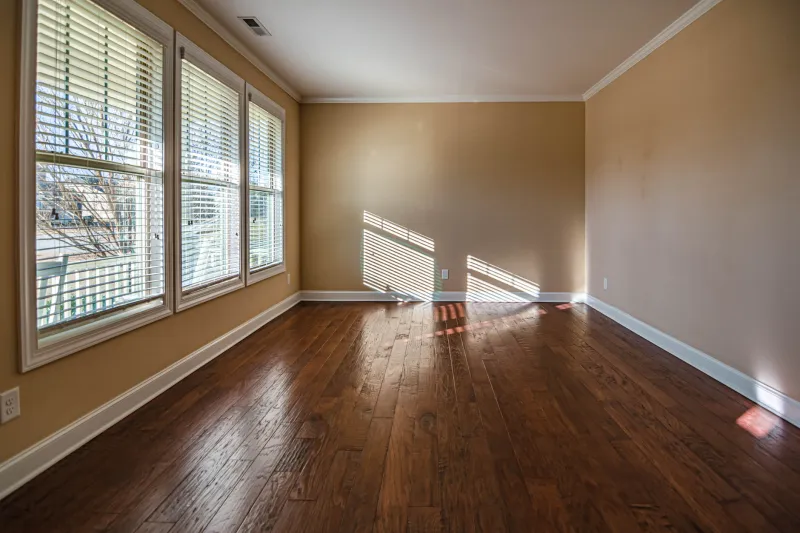
Modern windows are usually sold on winter performance. That makes sense: nobody wants to sit next to a cold pane in January, and with energy bills still on everyone's mind in 2026, a low U-value is an easy thing to get excited about. But a window that keeps heat in during winter can also make a sunny room uncomfortably warm in summer. In a south-facing UK living room, a bright afternoon can turn a comfortable space into a greenhouse surprisingly quickly.
This is not a reason to avoid efficient glazing. It is a reason to specify it properly. The trick is to think about the whole year, not just the coldest week of it.
Why a good window can feel like a greenhouse
Glass lets short-wave sunlight through. Once that light hits a floor, a sofa or a wall, it turns into heat. The heat is longer-wave energy, and it does not pass back out through the glass nearly as easily. That is the basic greenhouse effect, and it happens in ordinary homes as well as conservatories.
In older, leakier houses, some of that heat escapes through gaps and draughts. In newer airtight homes, it has fewer places to go. Add large south-facing windows, a low-e coating that keeps heat inside, and a still summer day, and you have the recipe for an overheating problem. The same features that make a window energy-efficient in winter can make it very good at holding on to summer solar gain.
What g-value actually tells you
The g-value is the share of solar energy that passes through the whole window and ends up inside as heat. A g-value of 0.6 means roughly 60% of the sun's energy gets through. A lower g-value means less solar gain, which is usually better for summer comfort but can reduce useful winter warmth and daylight.
A lot of double and triple glazing is designed around winter U-values, so the g-value can be an afterthought. That is where homeowners get caught out. Two windows can have similar U-values and very different summer behaviour. Ask for both figures in writing, and ask what they mean for the rooms you are actually glazing. A north-facing bedroom and a south-facing kitchen do not need the same specification.
The triple glazing trade-off
Triple glazing has a strong reputation in the UK, partly because it sounds like the obvious upgrade. It can be excellent, especially in colder or noisier locations. But more glass, more coatings and heavier frames do not automatically equal a comfortable summer room. In a well-insulated, airtight new-build flat with a big south-facing window, very high-performance glazing can keep solar heat trapped unless shading and ventilation are part of the plan.
That does not mean triple glazing is a bad choice. It means the specification should match the room. If overheating is a known risk, a slightly lower g-value or a solar control outer pane may matter more than chasing the lowest possible U-value.
Solar control glass: useful, but not magic
Solar control glass reduces the amount of solar heat that passes through. It can be a sensible choice for large south or west-facing windows, glazed doors and rooms that already get too warm. Some products also manage daylight and glare, which is helpful if you work from home or have a TV facing the window.
But solar control glass is not a free pass. It can reduce winter solar gain, which is free warmth you might actually want in spring and autumn. It can also affect the colour of the view or the amount of daylight, depending on the product. Ask to see a sample, check the g-value and the light transmission figure, and make sure the installer is not just selling you the most expensive pane on the list.
Shading beats glass most of the time
If the sun is hitting the glass, stopping it before it gets inside is usually more effective than trying to deal with the heat afterwards. External shading such as awnings, shutters, louvres or a well-positioned tree can make a big difference. Internal blinds help with glare and privacy, but they are less good at stopping heat because the sunlight has already passed through the glass.
For existing homes, simple changes can be surprisingly effective: closing curtains and external blinds during the hottest part of the day, keeping windows closed when the air outside is hotter than inside, and opening them properly when the evening cools down. For a new window project, think about shading at the design stage. It is much easier to plan a fixing point or an overhang before the frames go in.
Ventilation needs a plan, not just an open window
Trickle vents are useful for background ventilation, but they are not a cooling system. Opening a window can help, especially at night, but security and noise are real concerns for many UK homeowners. If you are replacing windows in an airtight home, think about how you will purge warm air in summer. That might mean secure night vents, a planned cross-breeze, or mechanical ventilation with a summer bypass if the property already has it.
New-build overheating is now considered more seriously in England through Part O of the Building Regulations, but retrofit projects do not always get the same attention. If your home already gets hot, do not assume new windows will fix it. They might make it better, or they might make it worse.
What to ask before you order in 2026
Before you sign, ask for the whole-window U-value and the g-value, not just a vague claim about energy efficiency. Ask how the glazing will perform in a south-facing room, whether solar control is available, and what shading options suit the frame. Ask about ventilation, especially if the room has no opening window or is in a flat. And ask for the specification in writing, including the glass make-up and any coatings.
A good installer should be comfortable talking about summer comfort as well as winter bills. If the only answer is 'it is A-rated', that is not a specification. It is a sticker.
The balanced specification
The most comfortable home is not the one with the lowest U-value on paper. It is the one where glazing, shading and ventilation work together. In 2026, with energy costs still shaping decisions, it is tempting to focus only on keeping heat in. But a window that works too well at holding heat can make a UK home miserable in July. Get the balance right and you will enjoy the bills and the room.