Steamy Windows Aren't Always a Glazing Problem: A Homeowner's Guide to Winter Condensation
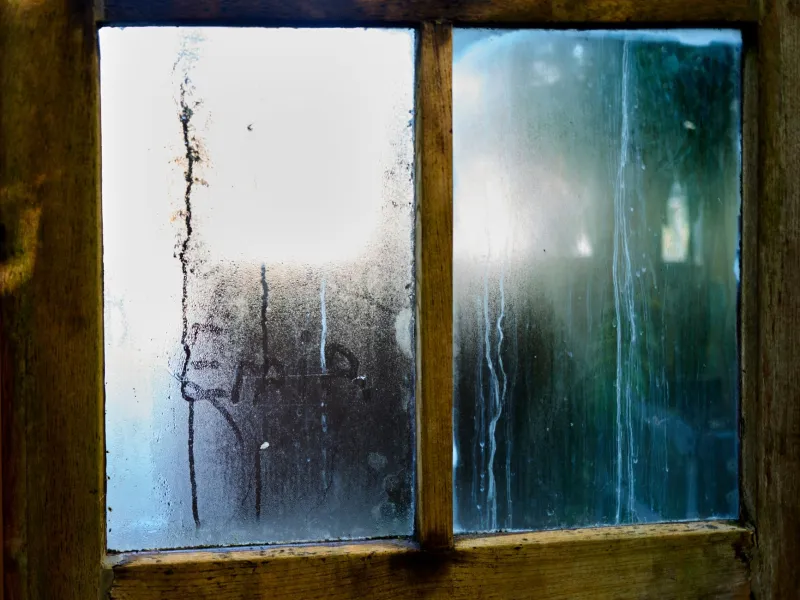
As the heating goes on and the nights draw in, plenty of UK homes start showing the same familiar signs: misty glass in the kitchen, water running down the bedroom window, or a patch of damp on the sill. It is easy to jump straight to the conclusion that the windows have had it. Sometimes that is true. Often it is not.
Condensation is a moisture and temperature problem first, and a glazing problem second. That distinction matters, because replacing windows will not fix a damp house if the real issue is trapped humidity and poor ventilation. On the other hand, if the seal has gone inside a double-glazed unit, no amount of opening windows will clear the mist between the panes.
Here is a practical way to work out which problem you have got, and when replacement glazing is genuinely worth the money.
First, find out where the water is sitting
Not all condensation means the same thing. The location of the water tells you most of what you need to know.
- On the room-side surface of the glass: This is surface condensation. It is usually a sign of warm, moist air meeting a cold pane. It can happen on any window, including a brand-new one.
- Between the two panes of a double-glazed unit: This is a failed sealed unit. The mist or haze is inside the glass unit, so it cannot be wiped away. This is a glazing fault, not a ventilation fault.
- On the outside of the glass: This is often normal in winter, especially on well-insulated units. The outer pane gets cold and moisture from the outside air condenses on it. It usually clears as the day warms up.
- On the frame, reveals or sill: This points more towards a cold bridge, poor insulation, or moisture collecting where airflow is poor. It does not automatically mean the window is broken.
If you can wipe the water off from inside the room, it is surface condensation. If the mist is sealed inside the glass, it is a unit problem. That is the first fork in the road.
The usual suspects indoors
In a typical UK home in winter, moisture comes from everyday life. Showers, cooking, boiling the kettle, drying laundry indoors, and even breathing all add water vapour to the air. Modern homes are also much more airtight than older ones, which is good for energy bills but can leave that moisture with nowhere to go.
A family of four can produce a surprising amount of water vapour in a day. If it is not being removed by extractor fans, trickle vents, or a bit of controlled window opening, it will find the coldest surface in the room. Very often, that is the glass.
So before blaming the windows, ask a few simple questions. Are the extractor fans in the bathroom and kitchen actually working? Is the tumble dryer vented outside, or is it a condensing model blowing warm damp air into a room? Are clothes being dried on radiators with the windows shut? Is the trickle vent open, or has it been sealed up because it felt draughty?
Ventilation is not a dirty word
Trickle vents have a bad reputation among some homeowners because they can feel like a cold draught. But they are there for a reason. Modern replacement windows should have a ventilation strategy, and in many cases that means trickle vents fitted to the frame. Building Regulations Part F covers ventilation, and a competent installer should be able to explain how the windows comply.
If your windows have trickle vents, check whether they are actually open. Some can be closed for years and then forgotten. If they are open and the room still feels draughty, the answer is not necessarily to block them up. It may be a case of adjusting the vent, checking the seals, or looking at the wider ventilation in the house.
Extractor fans matter just as much. A bathroom fan that runs for two minutes after a shower is not doing much. A kitchen fan that is noisy but ineffective is also not helping. Clean the filters, check the ducting, and make sure the fan is actually pulling moist air outside rather than just moving it around.
When it really is a failed sealed unit
Mist between the panes is the classic sign of a failed sealed unit. The seal around the edge of the glass unit has let moisture in, and the desiccant inside can no longer keep the cavity dry. You might see a milky haze, water droplets, or a streaky pattern that looks like the glass is dirty but will not clean off.
In many cases, the frame is still perfectly sound. If that is the situation, you do not necessarily need a whole new window. A glazier can measure the unit and replace just the glass. That is often cheaper and less disruptive than full replacement, and it keeps a decent frame out of landfill.
Ask what type of unit is being fitted, what guarantee comes with it, and whether the frame will be checked for water damage while the old unit is out. A failed unit is a glazing fault. It is not, by itself, a reason to replace every window in the house.
When replacement starts to make sense
There are times when full replacement is the right call. If the frames are warped, cracked, or dropping at the hinges, a new glass unit may not solve the problem. If several units have failed, the windows are old, draughty, and difficult to operate, replacement can be a sensible long-term choice. Single glazing, poor security, and badly fitting frames are also fair reasons to look at new windows.
But be careful with the logic. New windows will not automatically cure a condensation problem caused by poor ventilation. In fact, if you make a house more airtight without dealing with moisture, condensation can get worse. The best replacement job is one that considers ventilation as well as glass performance.
A simple decision path
- Identify the water. Wipe the glass. If the mist is inside the unit, it is a sealed unit failure. If it is on the room side, it is surface condensation.
- Check the everyday sources. Showers, cooking, laundry, and drying clothes indoors are the usual culprits.
- Make sure ventilation is working. Open trickle vents, use extractor fans, and allow some air movement for a couple of weeks.
- If the mist is between the panes, get a glazing quote. Ask about replacing the unit only, not the whole window.
- If the frames are sound, repair the unit. If the frames are tired, draughty, or failing in several places, then look at full replacement.
- Get more than one quote. Ask where the water is coming from, what is being supplied, and what guarantee is included.
Questions to ask before you pay
A good installer should be happy to explain the diagnosis, not just sell you a new window. Ask where the condensation is forming, whether the sealed unit has failed, and what ventilation is being provided. Ask for the make and specification of the glass unit, the warranty terms, and whether making good and disposal are included.
Also check that the installer is registered with a competent person scheme such as FENSA or Certass, or that building control notification is being handled properly. Do not accept a vague claim that condensation is normal as a reason to buy a whole house of new windows, and do not accept a claim that you need new windows without a clear explanation of where the water is sitting.
The best outcome is often the boring one: open the trickle vents, sort out the bathroom fan, and replace one failed glass unit. That is not a glamorous sales story, but it is usually the right one.