The Letter Isn’t the Whole Window: Making Sense of Energy Ratings on a Quote
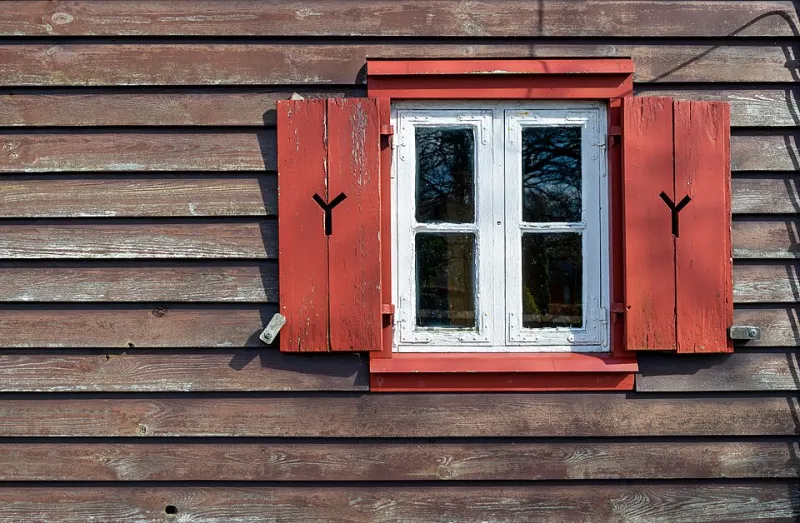
Photo: Radomianin, CC BY-SA 4.0, via Wikimedia Commons
Walk into any window showroom and you’ll meet the alphabet: A+, A++, B, sometimes a U-value thrown in for good measure. It looks reassuringly simple. A better letter must mean a warmer house and smaller bills, right? Not quite. The rating on the sticker is a summary, and like most summaries it leaves out the bits that decide whether the window suits your home.
None of this means you should ignore energy labels. They are useful. The trick is knowing what they measure, what they don’t, and which numbers to ask for when two quotes are sitting side by side on the kitchen table.
What the Window Energy Rating is actually adding up
A Window Energy Rating, usually shortened to WER, is a band from A++ down to E. It comes from a calculation that balances heat lost through the whole window against heat gained from sunlight, with a penalty for draughts around the frame and opening. In other words, it is not a pure insulation score. It is a rough annual energy balance for that window in a standard test situation.
That is why a window can climb the bands partly because it lets more sun in. On a south-facing wall, solar gain is genuinely useful in winter. On a small south-facing room that already overheats in June, that same gain can be a nuisance. The label does not know which room you are fitting it to.
It also does not know how well the window will be installed. A top-band unit squeezed into a crooked opening with gaps behind the trim will not perform like the test sample. The sticker describes the product, not the finished job.
U-value: the number to keep beside the letter
If the WER is the headline, the U-value is the small print worth reading. U-value measures how readily heat passes through the window. Lower is better. A U-value of 1.2 is better than 1.4, and a triple-glazed unit will usually beat a double-glazed one on this measure, though frame choice and spacer bars still matter.
Ask for the whole-window U-value, not just the centre-pane figure. The centre of the glass is the easy part. The frame, the edge spacer and the opening mechanism all affect the real performance. A quote that boasts about a superb glass U-value but says nothing about the frame is only telling you half the story.
For most UK homes replacing double glazing, a sensible target is a whole-window U-value around 1.2 to 1.4 W/m²K, depending on budget and specification. If you are moving towards a heat pump or trying to lift an older property out of the cold, pushing lower can be worthwhile. If you have a well-insulated modern house and are replacing one or two windows, the difference between two decent bands may be less dramatic than the sales folder suggests.
Solar gain can flatter a grade
G-value, sometimes called solar factor, tells you how much of the sun’s energy passes through the glass. A higher g-value means more free warmth in winter and more unwanted heat in summer. WER calculations reward useful solar gain, which is why a window with a middling U-value can still earn a strong letter.
This is not a trick, but it is a detail. North-facing windows get little sun, so insulation matters more than solar gain. South and west-facing windows need a balance: some winter warmth is welcome, but overheating is a growing concern in UK summers. If a room already has a conservatory-style greenhouse effect, a very high g-value is unlikely to be your friend.
Where the label stops being useful
The WER is based on a standard window size and a standard set of assumptions. Your house is not standard. Orientation, shading from trees or neighbouring buildings, radiator position, curtain habits and how airtight the rest of the property is all change the outcome.
A window rated A+ can still leave a cold draught if the installer leaves a gap under the sill. A B-rated window fitted properly in a sheltered bedroom may feel better than an A-rated one rattling in a windy exposed wall. And a superb window cannot fix a house with an uninsulated cavity or a boiler past its best.
This is why the letter should sit alongside other questions, not replace them. What is the frame made of? What glazing spec is included? Is there a warm-edge spacer? How many chambers does the frame have? What is the air leakage figure? Does the quote include proper draught-proofing and making good?
How to compare two quotes without a decoder ring
Start by asking each installer for the same three things: the whole-window U-value, the WER band and the glazing specification. Put them in a simple table. If one quote gives only a letter and a glossy brochure, ask for the rest in writing. A firm that cannot supply the details is either disorganised or hoping you won’t notice.
Then match the specification to the room. For a north-facing bedroom, prioritise a low U-value. For a sunny living room, ask about solar control and overheating. For a home with a heat pump, lower U-values and good airtightness are more valuable than a shiny badge. For a modest refurbishment where the walls are the weak point, spending heavily on the very top band may not repay itself quickly.
Finally, treat the rating as one line in the quote, not the whole quote. The best window is the one specified for the opening, fitted with care and backed by a warranty that means something. The sticker can help you shortlist. It cannot do the survey for you.